
- History
Geisha of Panama: The Story of the Coffee That Conquered the World
From Ethiopia to the highlands of Chiriquí: the history, terroir and flavor of Panamanian Geisha, one of the most sought-after coffees in the world.
· By Mi Finquita
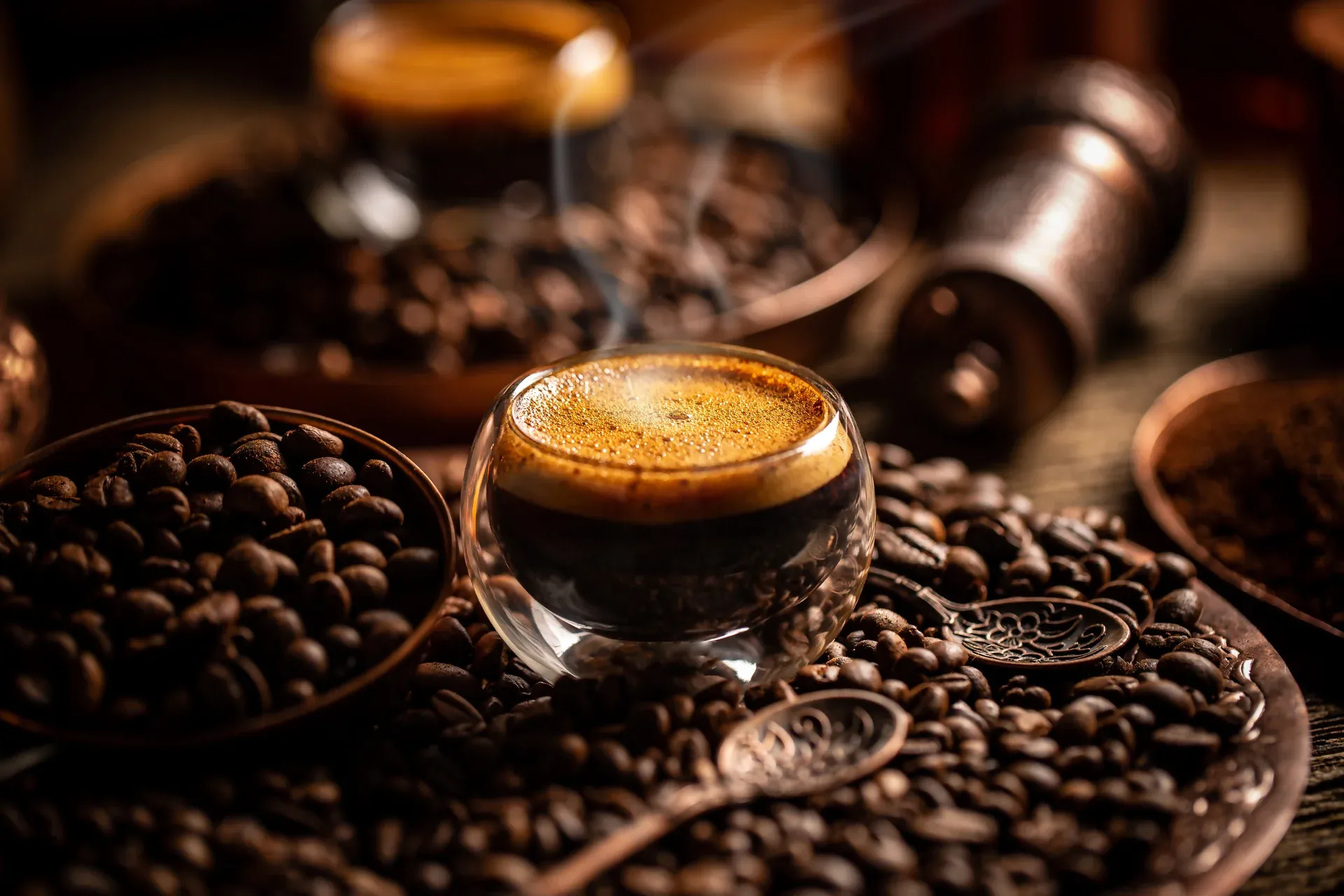
Some coffees are drunk and some are remembered. Geisha belongs to the second category. Its floral aroma, its notes of jasmine and peach, and that delicate acidity that seems drawn by hand have made the world turn its eyes toward Panama. But behind every cup there is a story of travel, patience and a terroir that few regions can offer.
A distant origin: Ethiopia
The story of Geisha began in the coffee forests of Ethiopia in the 1930s. From there it was sent to the Lyamungu Research Station in Tanzania, and later reached the Tropical Agricultural Research and Higher Education Center (CATIE) in Costa Rica, where it was registered as accession T2722. It arrived in Panama in the 1960s.
It was not love at first sight. The plant was tolerant to rust, but its brittle branches and low productivity did not convince farmers. For years it remained almost forgotten, grown more out of curiosity than business. No one imagined that this discreet variety held one of the most extraordinary profiles in the world.
2005: the year that changed everything
The turning point came in 2005, when the Peterson family of Boquete entered Geisha in the Best of Panama competition. The coffee received exceptional scores and broke the auction price record, surpassing $20 per pound. Since then, Panama stopped being just another origin and became a mandatory reference in specialty coffee.
What happened next is well-known history: buyers from around the world began looking for Panamanian lots, and Geisha became synonymous with excellence, rarity and precision.
The terroir of Chiriquí
Geisha found in the highlands of Chiriquí the conditions it needed to express itself. Altitude, microclimates, mineral-rich soils and a strong geothermal influence thanks to the presence of thermal waters create a unique environment. This combination of factors favors slow ripening and a concentration of sugars and aromas that translates directly into the cup.
It is no coincidence that this region has become one of the most recognized in specialty coffee. It is the result of exceptional geography and years of work by producers who learned to read the landscape.
A cup with identity
In the cup, Geisha is recognized for its delicacy. Floral notes, jasmine, peach, soft citrus and a silky body. Its acidity is vibrant, but never aggressive. It is a coffee that invites you to drink slowly and let it cool to discover new layers of aroma.
The process makes a difference. The washed process cleans and orders the profile: it highlights clarity, bright acidity and floral notes. The natural process preserves fruit and sweetness, with a broader body and an intense finish. Two expressions of the same origin, two ways of telling the same story.
At Mi Finquita we work Geisha in both versions, alongside varieties such as Caturra, Pacamara, Maragogipe and Chicho Gallo. Each lot is processed with the idea that coffee is not improvised: it is grown, cared for and told.
Mi Finquita: coffee with memory
Mi Finquita Panamá was born in 2005 with a clear purpose: to commercialize roasted coffee from Panama and export quality green coffee. Over the years, the farm also became a space to experiment with processes and varieties, always with the same obsession: the cup.
That work has borne fruit. Our Geisha Natural and Geisha Washed lots have received awards in 2020, 2021, 2022 and 2023, and every harvest remains an opportunity to learn and improve.
How to enjoy it
Geisha is best enjoyed with filter methods such as V60, Chemex or Kalita. A medium grind, water between 92 and 94 °C and a 1:16 ratio allow its floral notes to appear without being masked. It needs no sugar or milk: its best accompaniment is an unhurried moment.
If you want to know the available Mi Finquita lots and discover up close the coffee that put Panama on the map, visit our collection or write to us. Geisha is not drunk every day; it is chosen.