

Skip to content
Mi Finquita

VARIETALS

GEISHA

This variety was originally collected from the coffee forests of Ethiopia in the 1930s. From there it was sent to the Lyamungu Research Station in Tanzania and later taken to the Tropical Agricultural Research and Higher Education Center (CATIE) in Central America in 1953, where it was registered as Accession T2722. It was distributed throughout Panama through CATIE in the 1960s, after its tolerance to coffee rust was recognized. However, the branches of the plant were brittle and farmers did not favor it, so it was not widely planted. The coffee rose to fame in 2005 when the Peterson family of Boquete, Panama, entered it in the Best of Panama competition and auction. It received exceptionally high marks and broke the green coffee auction price record at the time, selling for more than $20 per pound.

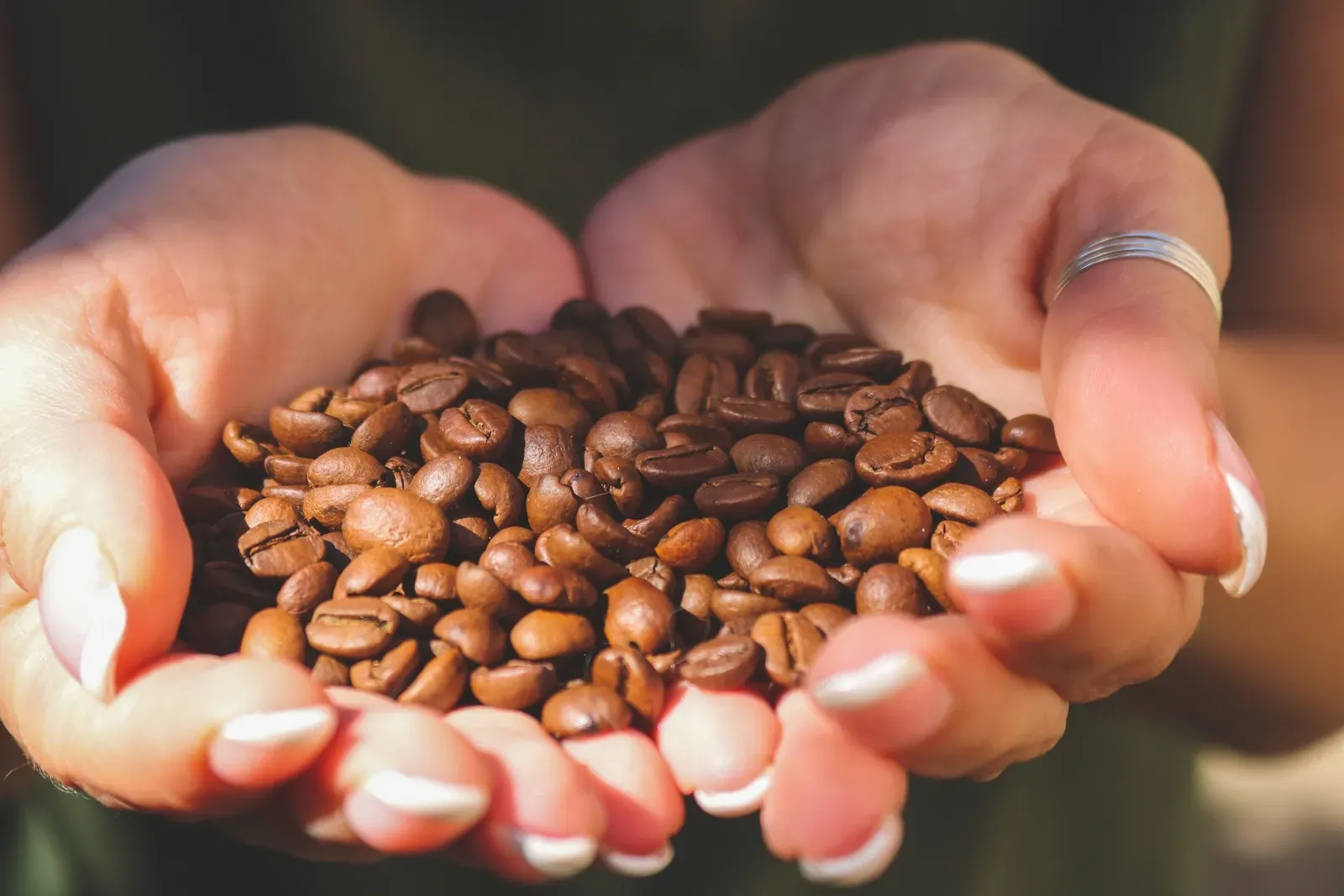
Hands holding roasted coffee beans

Similar Geographical Origins in Ethiopia

Recent genetic diversity analysis conducted by World Coffee Research confirms that the Panamanian Geisha descendant of T2722 is distinct and uniform. It is associated with extremely high cup quality when plants are well managed at high altitudes, and is known for its delicate floral, jasmine and peach aromas. There is no established translation of Ethiopian dialects into English. Coffee was first recorded in the Germplasm Records with the spelling "Geisha", and coffee researchers and germplasm banks have mostly maintained that spelling for many decades, which led to that spelling being promoted and used for the first time in the coffee industry. Coffee was originally harvested in Ethiopia in a region near a mountain whose name is commonly translated into English as Gesha. As a result, many in the coffee industry have preferred to revive that spelling.

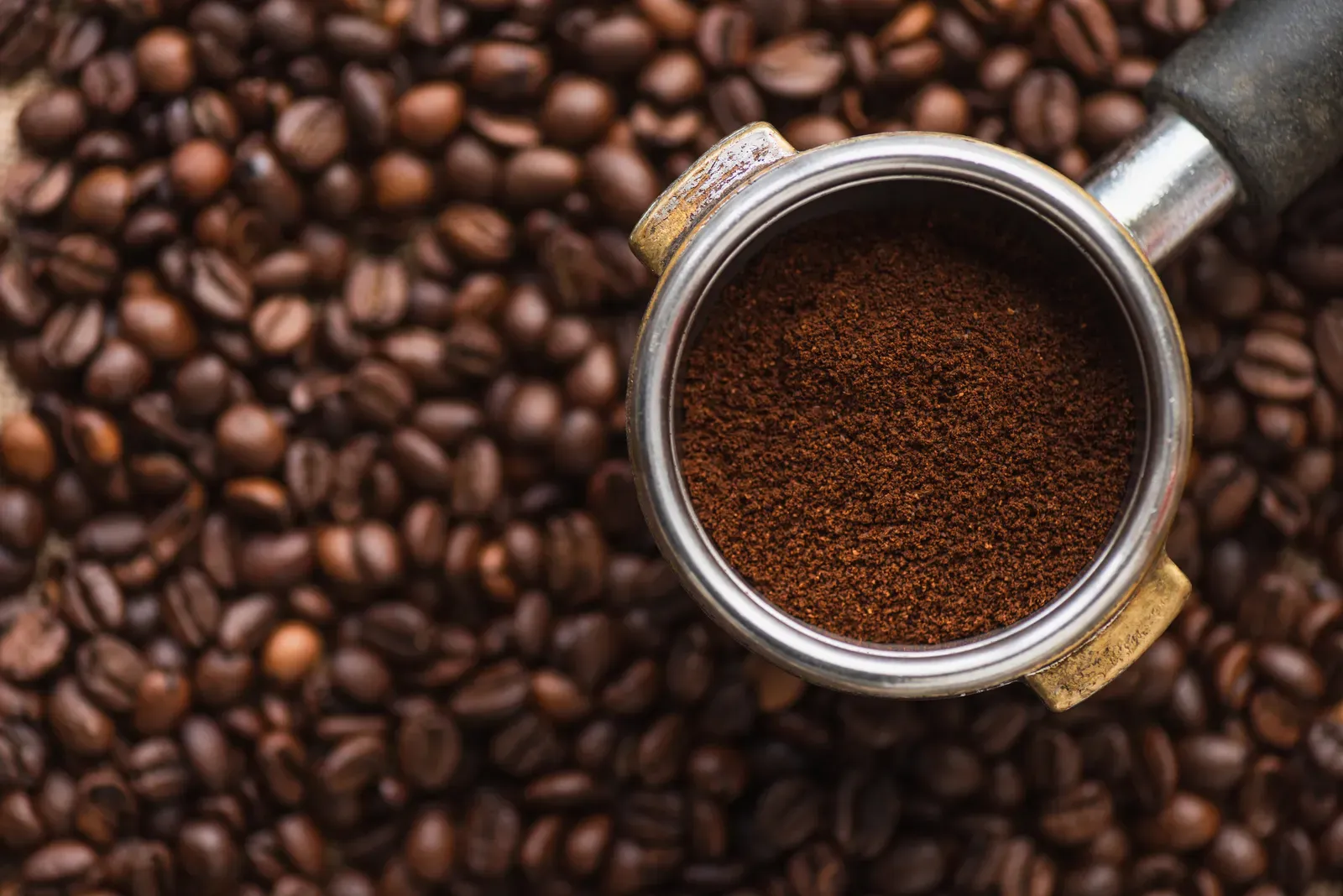
Ground coffee in a portafilter over coffee beans

The Natural Process: A Sun-Kissed Transformation

The natural process, also known as the dry process, is the oldest and most traditional method of coffee processing. It is a simple yet intricate technique that relies on the sun's energy to transform ripe coffee cherries into flavorful beans.

The natural process gives the coffee beans a unique flavor profile. Expect a cup with:

A Celebration of Tradition and Terroir

The natural process is a testament to the ingenuity of coffee farmers and their deep understanding of the land. It is a method that celebrates the natural flavors of the coffee cherry and the unique terroir of the region.

Coffee beans, cinnamon and a scoop on a dark table

Natural varieties

Washed varieties

From cherry to cup

From cherry to cup